


Certificate course · Registration open until 8 November
Ecotourism Manager: Practical Training
A six-week course combining online sessions with field practice at real ecotourism sites
RegisterThe Georgian Ecotourism Association is now accepting registrations for the Ecotourism Manager practical training, running from 10 November to 20 December 2026. Participants will learn how to plan sustainable ecotourism products, interpret natural and cultural heritage, and apply the essentials of safety, marketing and management.
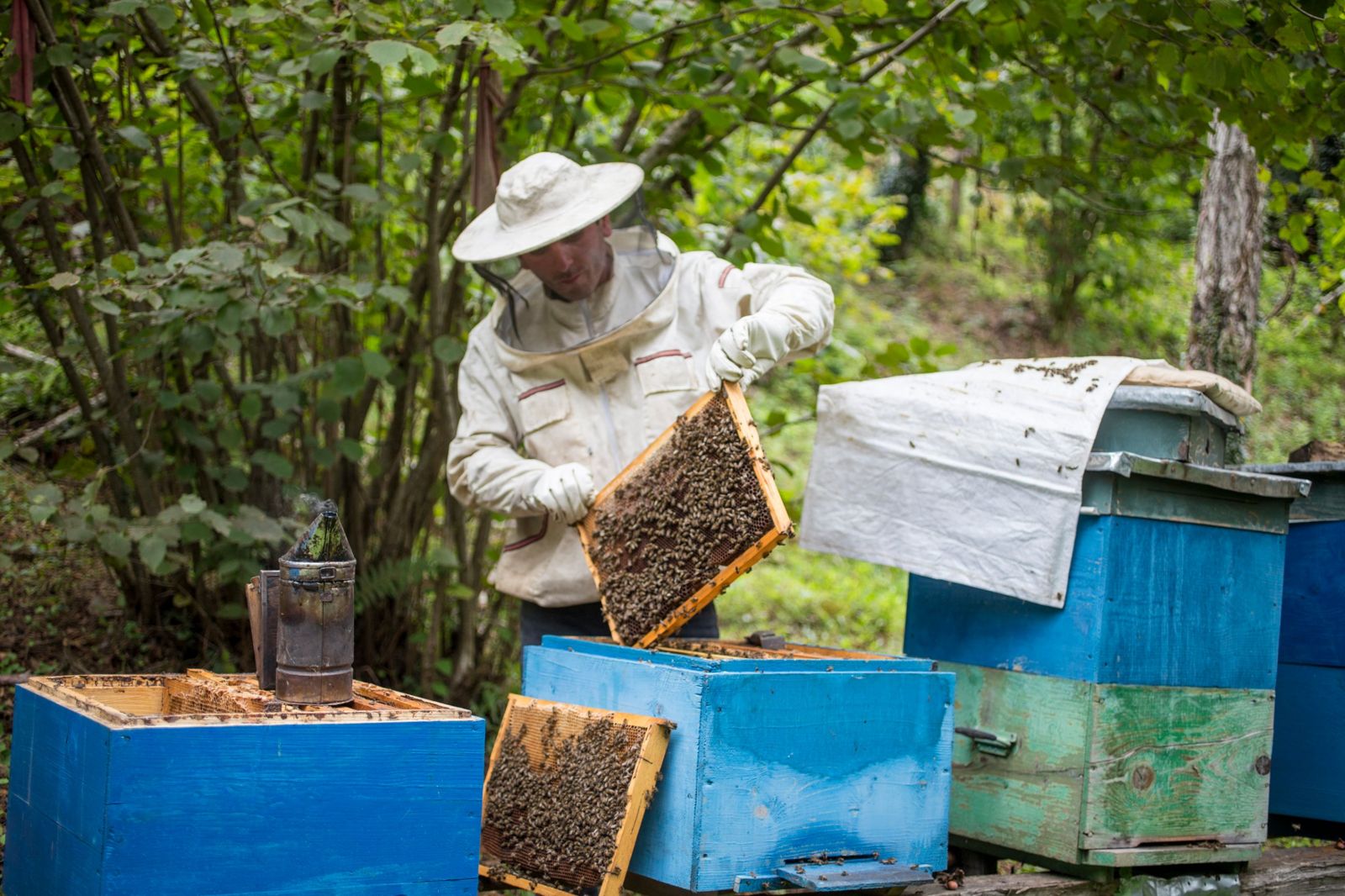
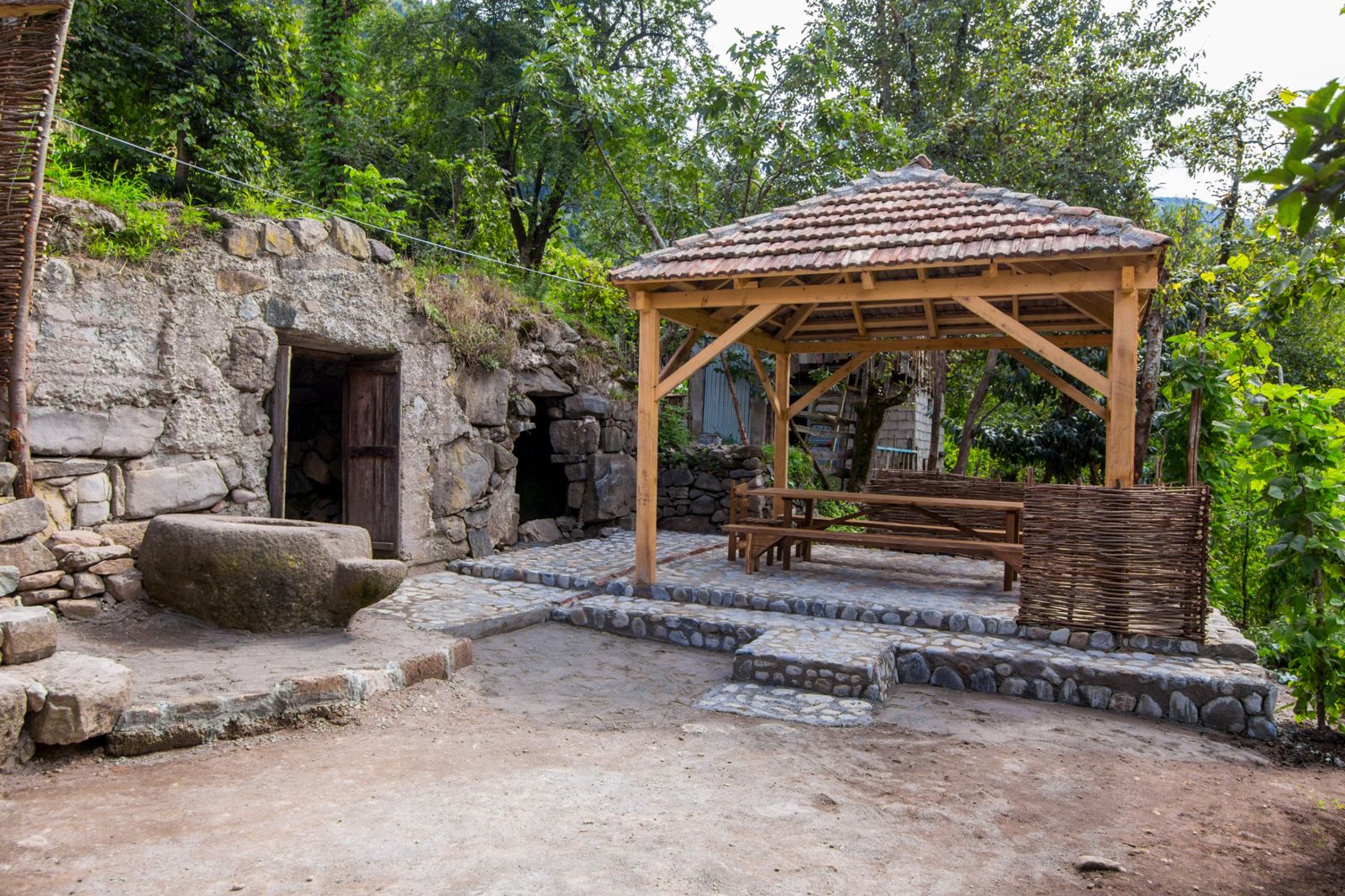
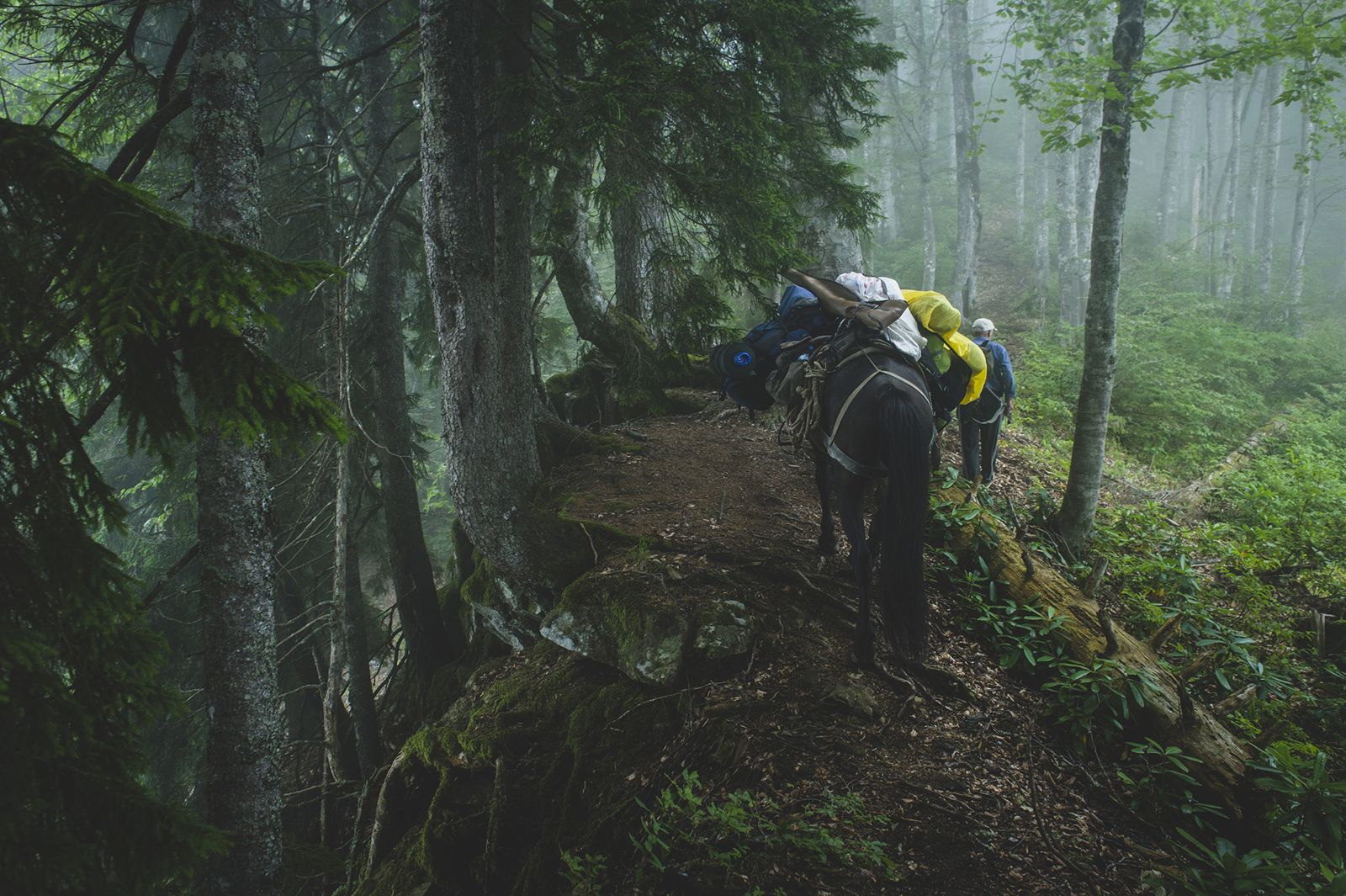
Each week, two online sessions prepare participants for a weekend field visit where they see the topic in practice: in a protected area, on an ecotourism trail, at an agritourism farm and at a cultural heritage site.
- Early registration deadline
- 1 November
- Registration deadline
- 8 November
- Course starts
- 10 November
- Course ends
- 20 December
Who is this course for
- Owners and managers of guesthouses, agritourism farms and ecotourism businesses
- Guides and tour operator staff
- Tourism specialists at protected areas, municipalities and organisations
- Students and anyone planning to start their own ecotourism business
What you will be able to do
- Assess ecotourism resources and potential
- Plan sustainable tourism products and routes
- Interpret natural and cultural heritage
- Apply the core principles of trail safety, environmental protection and visitor management
- Build a business model for a product, position it and use digital tools for marketing
- Develop and present a concept for your own ecotourism product
Programme
Online sessions are planned for Tuesdays and Thursdays, 19:00–21:00 (Tbilisi time). Each session lasts 120 minutes: a lecture, a case study or exercise, and Q&A. Field visits last 4–5 hours.
Week 1Ecotourism fundamentals
Ecotourism concepts and principles
Definitions (GEN, TIES, IUCN, GSTC), core principles of ecotourism, how it differs from sustainable, nature-based and mass tourism, global experience and international trends.
Ecotourism in Georgia
Natural and cultural resources, market trends, visitor profile, key stakeholders, legislation and registration requirements.
Urban ecotourism: recognising natural and cultural resources in the city and learning observation methods.
Week 2Protected areas
Protected areas and nature conservation
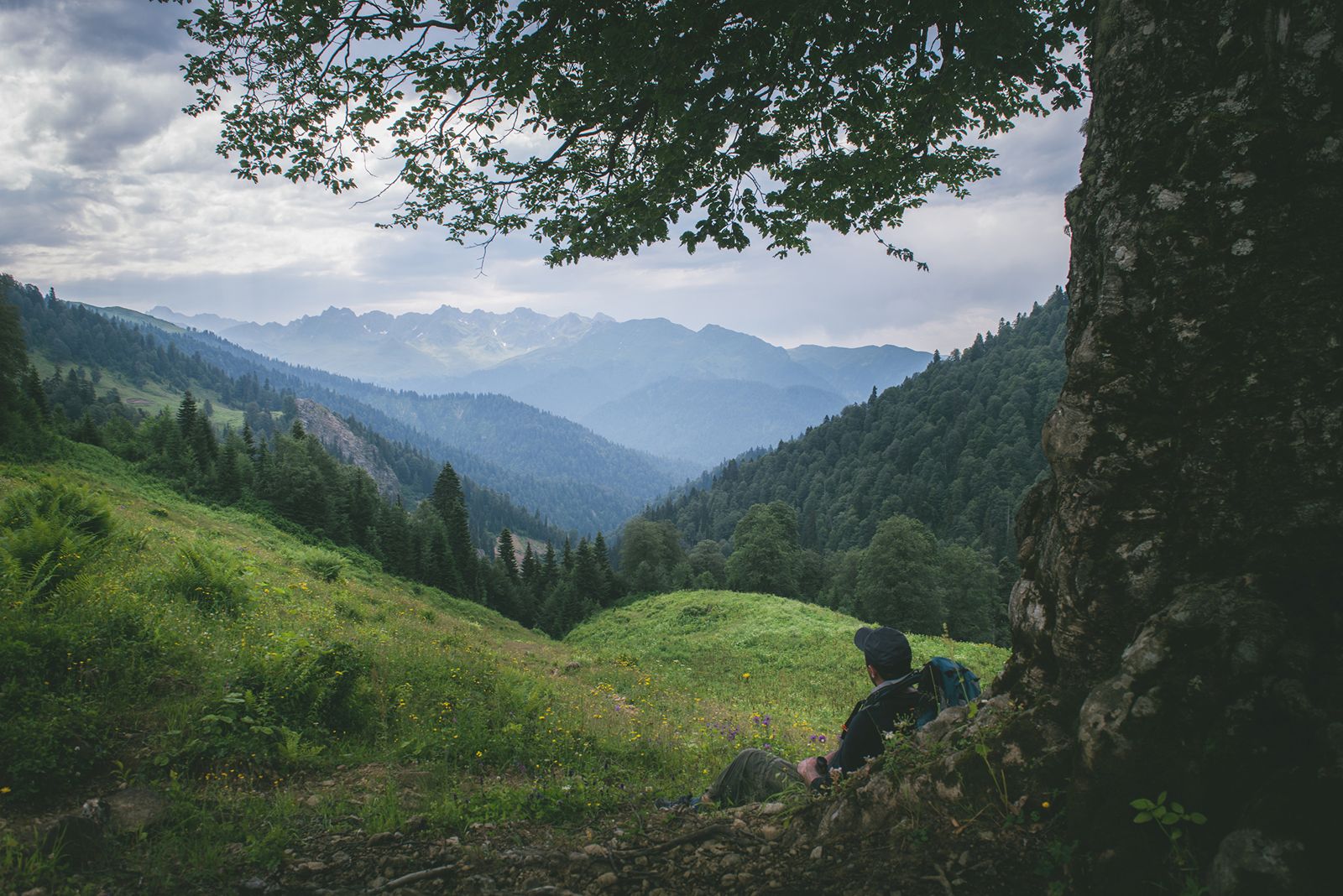
IUCN categories, Georgia’s protected area system, zoning, management plans, visitor centres, permits and outstanding international practice.
Visitor management and impact
Carrying capacity, Limits of Acceptable Change (LAC), types of impact, visitor flow management techniques, Leave No Trace.
Protected area management and visitor infrastructure on site.
Week 3Trails and safety
Planning an ecotourism trail
Route selection criteria, difficulty grades, waymarking, maps and navigation, ecotourism infrastructure, catering on the trail and choosing equipment.
Safety standards in ecotourism
Subjective and objective hazards, risk assessment, emergency planning, group management and environmental safety on ecotours.
Trail audit and safety assessment.
Week 4Ecotourism businesses and communities
Ecotourism service businesses
Types of businesses and service standards, the farm as a tourism product, food and rural tourism, masterclasses, food safety.
Local communities and benefit sharing
Community-based tourism, local supply chains, fair pay and conflict management.
An agritourism product and its business model.
Week 5Interpretation and heritage
Foundations of heritage interpretation
Principles of interpretation, the TORE model (thematic, organised, relevant, enjoyable), developing a theme, interpretive media.
Cultural heritage in ecotourism
Tangible and intangible heritage, authenticity, heritage protection and tourism.
Interpreting cultural heritage on site.
Week 6Product, marketing, final presentations
Product design and pricing
Components of an ecotourism product, target visitors, cost calculation, price and profit, building a business model.
Marketing, sales channels and storytelling
Product positioning, storytelling, digital and sales channels, tour operators and their commissions, partnerships, reviews and recommendations, greenwashing.
Participants present their own ecotourism projects.
Trainers
The course is led by members of the Georgian Ecotourism Association team, who bring many years of experience in ecotourism, sustainable development, heritage interpretation and tourism product development.

Natalia Bakhtadze
Co-founder of the Association, with 30 years of experience in tourism. Her areas of work include sustainable development and organising the non-governmental sector.

Ilia Okromelidze
Executive Director of the Association, MSc in Geoecology and independent ISO 14001 expert. Author of the national operational guidelines for developing hiking trails.

Giorgi Dakuzashvili
MA in Tourism and Hospitality Management. Works on tourism potential assessment and the planning of ecotourism products and routes.

Nino Arabuli
Project Manager at the Association, MBA with a specialisation in tourism. Many years of experience managing projects and events.
Assessment and certificate
To receive the certificate, participants must attend at least 80% of sessions, take part in the field activities, complete the assignments and score at least 70 out of 100 in the final assessment.
| Interim assignments | 20% |
| Field assignments | 40% |
| Final project | 40% |

Course fee
until 1 November
The fee can be paid in full or in two instalments: the first on registration and the second within 10 days of the course start.
Included
- 12 two-hour online sessions with industry experts
- 6 field visits
- Transport for all out-of-town visits
- Lunch at Tigi’s House ecotourism farm
- Packed lunch on the Asureti field visit
- Session recordings, available after the course ends
- Learning materials, notebook, pen and a reading pack
- Bilingual certificate from the Georgian Ecotourism Association
Not included
- Meals on visits within Tbilisi
- Travel to the meeting point for visits within Tbilisi
- Personal gear: hiking boots, rain jacket, etc.
Closer to nature
Registration is open until 8 November. The early registration fee applies until 1 November.
RegisterQuestions? Get in touch:
[email protected] · +995 511 30 14 30